Why Choose Us

Built on Quality, Innovation & Trust

High Purity

Premium quality with rigorous quality control standards

Global Reach

Worldwide distribution network serving international markets

Industry Expertise

Decades of manufacturing experience with proven reliability

Quality Assurance

Comprehensive quality control at every production stage

Our Products

Premium Chemical Solutions

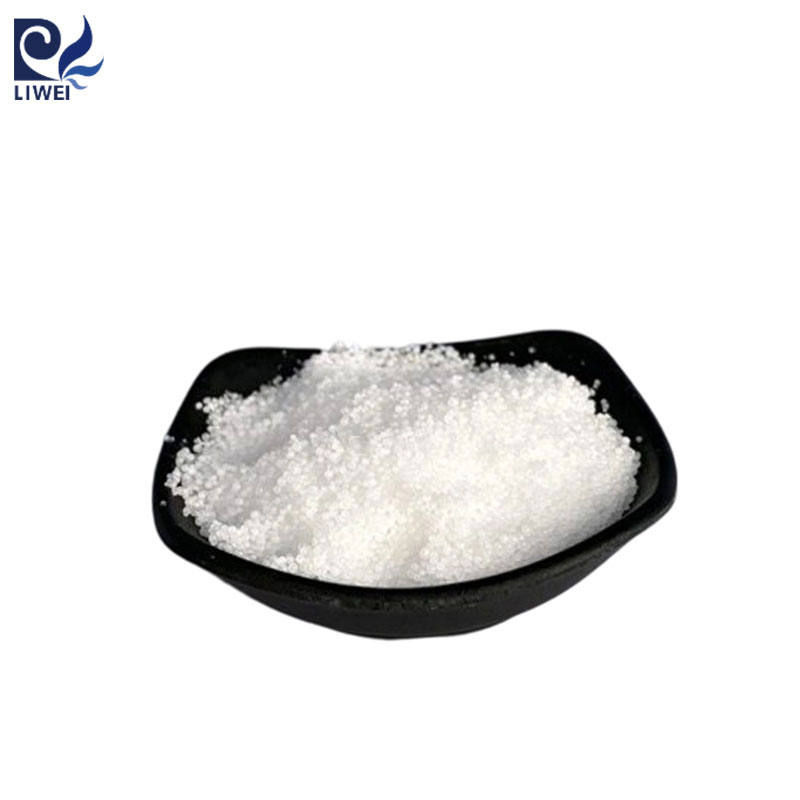
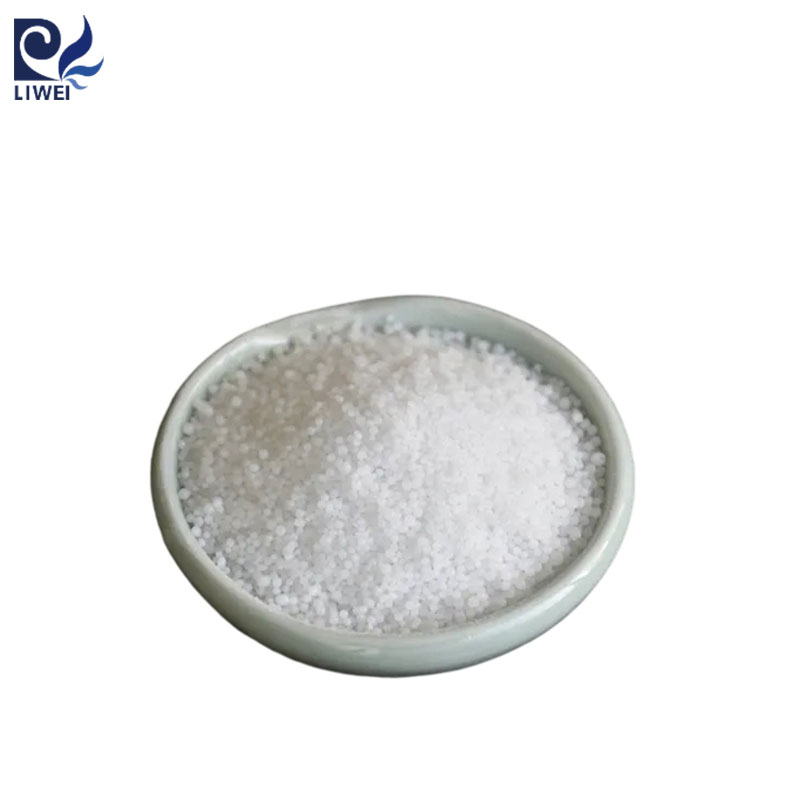
Caustic Soda Pearls | Leading Direct Manufacturer of High-Purity Caustic Soda Pearls

Caustic Soda Pearls | Leading Direct Manufacturer of High-Purity Caustic Soda Pearls

In Bayer alumina refining, caustic soda pearls are dissolved with process condensate to produce sodium aluminate liquor that controls both bauxite digestion rate and downstream precipitation stability. The pearls are specified with sodium hydroxide content not less than 99 wt% dry basis and sodium chloride typically below 0.05 wt%, which limits chloride accumulation in closed liquor circuits. Chloride buildup above 5–10 g/L in refinery liquor is associated with pitting corrosion of AISI 304L/316L heat exchanger shells and stress corrosion cracking in flash train components. Dry pearl storage requires closed silos with dry air purge to keep ambient humidity below 40%...

View Detail
Industrial Grade Caustic Soda | Leading Caustic Soda Manufacturer & Chinese Supplier

Industrial Grade Caustic Soda | Leading Caustic Soda Manufacturer & Chinese Supplier

Within high-temperature Bayer digestion circuits, industrial-grade caustic soda functions not as a minor additive but as the continuous reaction medium that dissolves gibbsite, boehmite, and diaspore fractions from milled bauxite. Digestion liquors are maintained at 140–250 g/L Na₂O caustic concentration across low-temperature gibbsitic circuits (145–155°C) and high-temperature boehmitic/diasporic circuits (240–265°C); sodium hydroxide consumption in published refinery operating data spans 0.3–1.2 t NaOH per tonne alumina, with the upper quartile associated with monohydrate bauxite feedstocks and high organic carbon carry-over. In production-scale equipment, caustic-bauxite slurry is passed through multi-stage stirred autoclave trains or tube digesters with live steam injection; after flash...

View Detail
Food Grade Caustic Soda Pearls (E524) | Food Grade Caustic Soda Pearls with High Quality and Low Price

Food Grade Caustic Soda Pearls (E524) | Food Grade Caustic Soda Pearls with High Quality and Low Price

In continuous short-mix neutralization lines processing crude soybean oil with free fatty acid (FFA) concentrations between 0.9% and 1.4%, food-grade sodium hydroxide pearls (E524) are dissolved with deionized water to a processing concentration of 14–20°Bé, corresponding to approximately 9.5–15% w/w NaOH, in a 316L stainless mix tank fitted with a peripheral jet eductor; the heat of dissolution raises the bulk solution temperature to 80–95°C. Food-grade pearls used for this route are assayed as total alkali not less than 98.0% as NaOH under EU 231/2012, with carbonate content below 0.5% to limit foaming during solution preparation. Dosing is calculated from ISO...

View Detail

12

After-Sales Response

99

Delivery Rate

100

Factory-Exit QC

12

Operating Standards

Who we are

Excellence Through Responsibility & Innovation

Anhui Liwei Chemical Co,Limited

About Us

Anhui Liwei Chemical Co,Limited specializes in the sales of caustic soda flakes, caustic soda pearls, liquid caustic soda and solid caustic soda, and holds a leading brand position in the industry.With our high-quality products and highly skilled professional team, we are confident in meeting your business needs. If you are...

Read More
Anhui Liwei Chemical Co,Limited

Sustainability

Adhere to the synchronous development of industrial production and environmental protection, ensure stable and compliant emissions of pollutants, prevent major environmental pollution accidents, and build a green and civilized enterprise.

Anhui Liwei Chemical Co,Limited

Social Responsibility

Through technological innovation, we strengthen competitiveness, build customer trust, create social opportunities, and deliver shareholder value.

Anhui Liwei Chemical Co,Limited

Our Culture

Guided by a customer-centric business philosophy and market-oriented approach, we are committed to delivering more valuable chemical supply solutions while fostering mutual benefits for employees, customers, and shareholders through empathy, shared success, and lasting value creation.

Read More

News Feed

Stay Updated with Our Latest Stories

Caustic Soda Flakes vs Caustic Soda Liquid: Two Forms of Sodium Hydroxide & Their Applications
August 11, 2026

Caustic Soda Flakes vs Caustic Soda Liquid: Two Forms of Sodium Hydroxide & Their Applications

When mentioning sodium hydroxide (NaOH), two common terms will inevitably come up: caustic soda flakes and liquid caustic soda. They are not distinct chemical substances, but two physical forms of sodium hydroxide — solid and liquid. As an essential basic raw material across the chemical industry, caustic soda flakes and liquid caustic soda serve a wide range of applications thanks to their unique properties. This article elaborates on both forms in detail, offering a full overview of their core characteristics and operational guidelines.Caustic soda flakes represent the most prevalent solid form of sodium hydroxide, named for their flaky appearance. Solid sodium hydroxide also exists in granular and lump forms, yet flakes are the most widely used due to convenient handling and storage.Core PropertiesAppearance: Pure caustic soda flakes are white transparent crystals. Industrial-grade variants appear white or off-white flakes with a hard texture and no distinct odor. Direct skin contact is strictly forbidden to avoid corrosive burns.Chemical traits: Highly deliquescent. Exposed to air, it rapidly absorbs moisture, softens and dissolves, hence airtight storage is mandatory. It dissolves readily in water with intense heat release, calling for strict compliance with operational protocols during dilution. A highly alkaline and severely corrosive hazardous chemical.Purity: Industrial caustic soda flakes generally boast a purity of 96% or higher, while premium grades reach over 99%. High purity and low impurity levels meet requirements for most industrial scenarios.Key ApplicationsBoasting high purity and ease of storage and transportation, caustic soda flakes are adopted across multiple sectors:Chemical industry: Core feedstock for manufacturing soda ash, alumina, synthetic detergents, dyes, plastics and rubber.Daily chemical products: Raw material for soap, laundry detergent, dish soap and other cleaners, participating in surfactant synthesis to form active cleaning components.Food processing: Food-grade caustic soda flakes (used with strict dosage control) strengthen gluten in pasta, tenderize meat and remove pesticide residues on fruits and vegetables. Thorough rinsing afterward guarantees food safety.Other fields: Standard laboratory reagent; widely used in papermaking, textile and metallurgy industries; also applied in small-scale sewage treatment and wastewater neutralization.Storage GuidelinesSeal tightly and store in dry, ventilated and cool warehouses. Keep away from humid air and carbon dioxide to prevent deliquescence and deterioration.Isolate from acids, fire sources and high heat to avoid hazardous chemical reactions.Maintain intact packaging labeled with hazard warnings for strong corrosives and dangerous goods. Store out of children’s reach.Liquid caustic soda is an aqueous solution of sodium hydroxide. It requires no pre-dissolution and is ready for direct use, making it an efficient option for industrial production. Its applicable scenarios vary by concentration.Core PropertiesAppearance: Pure liquid caustic soda is colorless and transparent. Industrial grades may turn pale yellow due to minor impurities, with no sediment and faint odor.Chemical traits: Equally highly alkaline and corrosive. Contact with skin and mucous membranes causes severe burns; full protective gear is required during handling. Ready-to-use without dilution steps, enabling fast chemical reactions and boosted production efficiency. Customizable concentrations, with mainstream specifications of 30%, 40% and 50%.Stability: Must be sealed to prevent deterioration from air exposure. Extra leak prevention measures are required, as its fluid nature can lead to large-area corrosive damage once spilled.Key ApplicationsIdeal for large-scale industrial production due to simple operation and fast reaction rates:Environmental protection: Mass sewage treatment. Neutralizes acidic substances in industrial and domestic wastewater, adjusts water pH value and precipitates heavy metal ions to help wastewater meet discharge standards.General manufacturing: Large-scale papermaking and textile production. It dissolves lignin in wood pulp and eliminates impurities and grease from textile fibers to improve finished product quality. Used in electroplating and metallurgy to regulate electrolyte pH for stable production.Chemical manufacturing: Direct feedstock for continuous large-scale chemical processes. It eliminates separate dissolving procedures, cutting operating costs and lifting throughput efficiency.Storage GuidelinesStore in corrosion-resistant tanks or containers such as fiberglass and stainless steel vessels. Ordinary metal containers are prohibited to prevent corrosion and leakage.Keep storage spaces ventilated and cool, separated from acids, open flames and heat sources.Conduct regular inspections to check container tightness and avoid leaks. Post hazard labels and prohibit unauthorized touching or dumping.

Caustic Soda Flakes, Prills & Solid Caustic Soda: Full Comparison of Solid Sodium Hydroxide Forms
August 11, 2026

Caustic Soda Flakes, Prills & Solid Caustic Soda: Full Comparison of Solid Sodium Hydroxide Forms

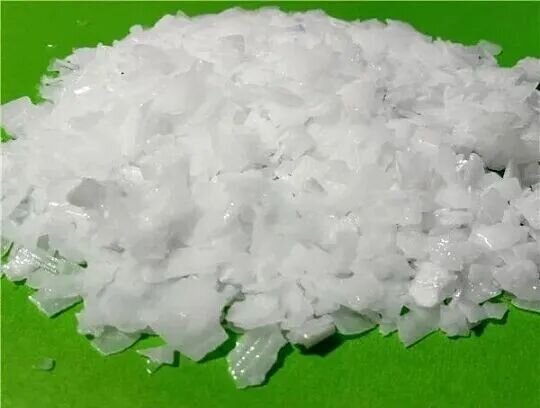
Caustic soda flakes, caustic soda prills and solid block caustic soda all share the identical chemical composition — sodium hydroxide (NaOH). They are highly alkaline, strongly corrosive and hygroscopic, releasing massive heat during dissolution. The three variants are not differentiated by chemical ingredients but by manufacturing techniques, which lead to disparities in physical form, purity and handling performance. To draw a simple analogy: wheat can be processed into flour, noodles or steamed buns, each with distinct applications despite the same raw material.This guide breaks down their appearances, production processes, core differences, suitable industrial scenarios and critical safety tips for purchasing and operation.Caustic Soda FlakesAs the name suggests, caustic soda flakes are sheet-shaped solids with a thickness of 1–2 mm, resembling soap flakes and pure white in color. Crisp and brittle, they break easily under light pressure. The production process is relatively straightforward: molten sodium hydroxide is scraped into thin sheets via flaking machines and cooled to solidify, keeping production costs low. Standard packaging is 25kg woven bags, with bulk jumbo bags also available for large orders. Easy to transport and stock, flakes are the most widely used solid NaOH form in the market.Caustic Soda PrillsPrilled caustic soda consists of uniform spherical pellets sized like mung beans or millet grains, featuring a pure white appearance. Its production adopts complex spray granulation technology: liquid molten NaOH is atomized into fine droplets, which rapidly cool and solidify into uniform pellets. Due to sophisticated production requirements, prilled caustic soda is priced slightly higher than flakes. Mostly packed in bags, its pelletized shape delivers superior handling convenience.Block Solid Caustic SodaA common misconception confuses block solid caustic soda with flakes or prills. Strictly speaking, solid caustic soda refers to intact massive blocks, unlike dispersed flakes or pellets. Manufacturers pour molten sodium hydroxide directly into iron drums for cooling, forming solid blocks, so drums serve as its primary packaging. Block caustic soda usually boasts ultra-high purity and weaker hygroscopy compared to flakes. However, it creates extra hassle for transportation and usage, as the blocks must be crushed prior to dissolution.Supplementary Industry NoteMany suppliers collectively label flakes and prills as "solid caustic soda" to distinguish them from liquid caustic soda. When placing orders, explicitly confirm whether you require massive block caustic soda, flakes or prills to avoid procurement errors.The physical and manufacturing gaps directly determine which form fits your production demands. Below is a detailed comparison of four vital indicators:Dissolution Speed: Prills > Flakes > Block Solid Caustic SodaThis is the most prominent distinction for buyers.Prills: Large specific surface area enables full contact with water, rapid dissolution without caking, similar to effervescent tablets. Minimal stirring is required.Flakes: Medium dissolution speed. Uneven stirring often causes flake agglomeration, forming an alkaline film that encapsulates inner solids and slows down dilution. Improper mixing in aquaculture ponds leads to localized high alkali concentration and shrimp fry casualties.Block solid caustic soda: Slowest dissolution rate. Blocks must be crushed first. Heat accumulates intensely during dilution, risking container damage without proper cooling measures.Purity: All Three Reach High-Grade Standards with Minor VariancesFlakes, prills and block caustic soda can all be manufactured to over 99% purity, complying with industrial, chemical fiber and food-grade standards. Minor impurity differences stem from production craft:Caustic Soda Prills: Precision-controlled production limits impurities such as sodium chloride and sodium carbonate to ultra-low levels. Ideal for pharmaceutical, cosmetic and laboratory applications with strict purity thresholds.Caustic Soda Flakes: Premium flake grades exceed 99% purity with defined impurity limits (e.g., top-grade NaCl ≤0.03%, qualified grade NaCl ≤0.08%). Sufficient for general industrial use, aquaculture disinfection and wastewater treatment.Block Solid Caustic Soda: Mercury-process block caustic soda achieves purity above 99.5%. This traditional craft is less common today and reserved for large-volume chemical manufacturing requiring high purity.Handling Convenience: Prills > Flakes > Block Solid Caustic SodaPrills: Easy precise weighing, no crushing required, fast dissolution and low stirring frequency. Perfect for laboratories with small, accurate dosing needs.Flakes: Convenient weighing, only requiring sufficient stirring to prevent caking. The mainstream choice for aquaculture, wastewater treatment, textile printing and dyeing.Block Solid Caustic Soda: Cumbersome operation. Crushing generates irritant alkaline dust that harms respiratory tracts, and accurate weighing is difficult. Only used in niche heavy chemical production now.Market Price: Prills > Flakes ≈ Block Solid Caustic SodaPrills carry the highest price tag due to complex granulation and consistent purity control. Flakes and block caustic soda have similar raw material costs, yet iron drum packaging pushes up block caustic soda’s total logistics expense, making flakes more cost-effective. Market reference price: 99% caustic soda flakes cost around $0.65/kg; prilled caustic soda is $0.07–$0.14/kg more expensive.Aquaculture Disinfection & Wastewater Treatment (Aquatic/Livestock Farms, Small Sewage Plants)Top Pick: Caustic Soda Flakes | Alternative: Prills for fast dosing General disinfection and pH adjustment do not demand ultra-high purity; 96% or 99% flake caustic soda delivers optimal cost performance. For pond cleaning, flakes eliminate pathogens, parasites and wild fish while balancing water pH, and 25kg bags simplify field transportation. Select prills for large water bodies or facilities requiring rapid pH regulation to avoid caking and cut operating time. Critical reminder: Always dilute solid caustic soda thoroughly before application. Direct dry spreading creates localized extreme alkalinity that harms aquatic organisms and disrupts water quality.Pharmaceuticals, Cosmetics & Food ProcessingTop Pick: Caustic Soda Prills These industries impose rigorous limits on trace impurities and demand precise dosage control. Prilled caustic soda features consistent purity, easy weighing and lump-free dissolution, stabilizing production quality for cosmetic pH adjustment and pharmaceutical synthesis.Chemical Manufacturing (Textile Dyeing, Electroplating, Paper Making)General Use: Caustic Soda Flakes | Mass High-Purity Production: Block Solid Caustic Soda Textile mills use massive volumes of NaOH for fabric desizing and scouring; affordable flakes suit bulk procurement. Both flakes and prills work for electroplating electrolyte pH regulation, depending on your dissolution efficiency needs. Large chemical plants with extreme consumption may choose block caustic soda. Sealed iron drums minimize moisture absorption and maintain stable storage. Nevertheless, most modern factories switch to prills to reduce labor costs from crushing blocks.Laboratory Laboratory TestingTop Pick: Caustic Soda Prills Lab experiments require tiny, accurate doses and quick dilution. Prills eliminate residue during weighing and avoid agglomeration. Flakes produce messy broken fragments affecting measurement precision, while block caustic soda generates hazardous dust during crushing.Purchasing TipsConfirm application scenarios and purity requirements first: 96%/99% flakes for aquaculture disinfection; ≥99.5% prills for medical and cosmetic production.Adhere to national production standards: Industrial caustic soda complies with GB209-2006; food-grade caustic soda follows GB5175-2008 to avoid substandard products.Select packaging based on consumption volume: 25kg bags for flakes/prills, iron drums for block solid caustic soda.Arrange dedicated corrosive goods transport vehicles to prevent leakage during delivery, and compare quotations from multiple suppliers amid volatile market prices.Standard Operation & Personal ProtectionNaOH is highly corrosive and releases intense heat while dissolving. Mandatory safety protocols:Wear alkali-resistant gloves, safety goggles and full face shields to prevent skin and eye contact. Operate in well-ventilated spaces to avoid inhaling alkaline dust or vapor.Golden dissolution rule: Add caustic soda slowly into water with continuous stirring. Never pour water onto solid caustic soda — sudden boiling will eject hot corrosive solution and cause severe burns.For caked flakes: Add warm (not boiling) water and increase stirring intensity to dissolve agglomerates; do not break lumps by hand or hard tools.Storage SpecificationsSeal containers tightly and store in dry, cool, ventilated warehouses. NaOH rapidly absorbs moisture and reacts with carbon dioxide in air to degrade.Segregate from acids, metal powders, ignition sources and high heat to prevent dangerous chemical reactions.Leak disposal: Do not flush spilled caustic soda directly with water. Collect solid residues using dry sand or absorbent materials for professional waste treatment to avoid environmental contamination.

Sodium Hydroxide & Caustic Soda: What Are the Best Manufacturers & Brands?
August 11, 2026

Sodium Hydroxide & Caustic Soda: What Are the Best Manufacturers & Brands?

Founded in 2001, Zhongtai Chemical was listed on the Shenzhen Stock Exchange in 2006 under the stock code 002092, ranking among China’s large-scale chlor-alkali manufacturers. The group owns 46 wholly-owned and holding subsidiaries alongside 43 equity-participated companies, with a workforce of nearly 19,000 employees. Its core product portfolio covers polyvinyl chloride resin (PVC), ion-exchange membrane caustic soda, viscose fiber and viscose yarn. These products serve over 20 industries including textiles, construction materials and national defense. Widely distributed across domestic provinces and autonomous regions, its goods are also exported to Russia, Central Asia, South Asia, South America, Africa and other regions, securing a solid presence in the global market.Established in 1996, Xinjiang Tianye is a large state-owned enterprise specializing in the production and sales of plastic films such as agricultural mulch film, PVC pipes, and caustic soda. Its industrial layout spans a wide range of sectors: thermal power, chemical industry, calcium carbide, cement, water-saving equipment, agriculture, plastic products, mining, logistics and foreign trade. The group boasts outstanding technical strength: it has participated in formulating 20 national and industrial standards and filed more than 300 patents for core technologies, driving the advancement of the entire industry.Founded in 1959, Shenfeng Chemical is one of China’s earliest chlor-alkali industrial enterprises. It engages in the production and sales of caustic soda, chlorine and chlorine derivatives, as well as PVC resin and plastic finished products, offering 40+ product varieties across 26 categories. The company boasts robust production capacity: annual output reaches 870,000 tons of caustic soda, 460,000 tons of PVC resin and 430,000 tons of vinyl chloride. As a major domestic supplier of chlor-alkali products, it has established a stable foothold in the industry.Yihua Group started operation in 1977 as a comprehensive large chemical enterprise integrating coal-phosphorus-salt chemical engineering, fine chemicals and new chemical materials. It operates more than 30 R&D centers and production bases nationwide. Its flagship products include urea, compound phosphate fertilizer, ammonium chloride, pentaerythritol, PVC, soda ash and caustic soda, all equipped with considerable annual production capacities. Its products are sold well across numerous countries and regions worldwide with a reputable market standing.Founded in 2003, Beiyuan Group is a listed company with the stock code 601568, focusing on the production and sales of PVC and caustic soda. Its chemical subsidiary, launched in 2009, runs production lines with an annual capacity of 1.1 million tons of PVC resin and 800,000 tons of ion-exchange membrane caustic soda. The group’s products are widely applied in papermaking, soap manufacturing, textiles, printing and dyeing, chemical fiber, pesticide production, petrochemicals and other industrial sectors.Established in 1968, Binhua Group is a large comprehensive domestic chemical manufacturer. It runs four major industrial bases: Bincheng Basic Chemicals & Electronic Chemicals, Beihai New Materials, Zhanhua New Energy and Yangxin Fine Chemicals. Its business footprint covers salt chemical engineering, petrochemicals, fine chemicals, thermal power, new materials, new energy and even the financial sector. Its products are exported to more than 100 countries and regions globally.Dagu Chemical was founded in 2004 and is a subsidiary of Tianjin Bohai Chemical Industry Group. Adhering to an innovation strategy that combines imported world-class process technologies with independent R&D, the firm has grown into a comprehensive large chlor-alkali enterprise integrating chlor-alkali and petrochemical industries. It manufactures and sells products under the "Red Three Crystal" brand, including PVC, propylene oxide, ABS resin, liquid caustic soda, styrene, AS resin and HRG powder, building a well-recognized brand in the market.Founded in 1954, HYGAIN Haian Group is a large state-owned chemical enterprise directly administered by Qingdao municipal government. It controls over 20 holding and equity-participated subsidiaries including Haian Chemical, Haian Fine Chemicals and Qingdao Soda Ash Industry. Its diversified product lineup consists of caustic soda, ethylene-process PVC, styrene, chemical intermediates, dyestuffs, potassium sulfate, calcium chloride, sodium bicarbonate, sodium silicate and high-end silicone products.Founded in 2003, Junzheng Group is a renowned player in the chlor-alkali chemical industry. It was listed on the Shanghai Stock Exchange in 2011 under stock code 601216. The group specializes in the comprehensive development and utilization of coal and limestone resources, covering a full industrial chain: power generation, limestone mining, quicklime calcination, calcium carbide production, caustic soda manufacturing, acetylene-process PVC production and ferrosilicon smelting. Its annual production capacities stand at 800,000 tons of PVC, 550,000 tons of caustic soda and 300,000 tons of ferrosilicon.Founded in 1999, Sanyou Chemical is the core subsidiary of Tangshan Sanyou Group and a key chemical backbone enterprise in Hebei Province, enjoying nationwide fame in soda ash and viscose fiber sectors. It went public on the Shanghai Stock Exchange in 2003 with stock code 600409. The company boasts massive production capacity: 3.4 million tons of soda ash, 500,000 tons of viscose staple fiber, 500,000 tons of caustic soda, 400,000 tons of PVC and 200,000 tons of organosilicon per year. It develops over 100 product varieties across 9 major categories, which are exported to more than 100 countries across five continents: Asia, Africa, Europe, America and Oceania, winning widespread recognition in the global marketplace.